
 ATL Statewide Director Jannet Malig has partnered with the Clean Cities Coalition to host a series of webinars to discuss the benefits of alternative fuel vehicles in fleet services.
There are more than 90 Clean Cities coalitions across the U.S., including several in California. The group’s mission is to foster the economic, environmental, and energy security of the United States by working locally to advance affordable domestic transportation fuels, energy-efficient mobility systems, and other fuel-saving technologies and practices.
Malig, who serves as a coordinator of the Long Beach Clean Cities Coalition, started the webinar series in partnership with Clean Cities partners in San Francisco, East Bay, Oregon, Washington, and Utah. The organization’s primary goal is to provide more choices for fleet managers and consumers alike. Read More →
 In every sector and nearly all community colleges across the state, plans are well underway to bring students safely back to campus this fall.
 The agency released a revised version of FAA-H-8083-9B, Aviation Instructor Handbook.
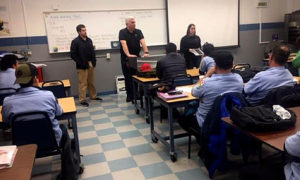 Tesla’s presence in California is growing, and the company is looking to expand its workforce, particularly in the auto collision division.
 Features like blind-spot detection and parking assist have quickly been added to the list of standard features on new vehicles over the past decade or so.
 The COVID-19 pandemic has shown the importance of logistics when it comes to delivering food, medicine, and other critical supplies.
 How do you teach automotive and aviation instruction remotely? Newly-formed communities of practice in the ATL sector are working through those questions and developing resources and best practices for faculty across the state.
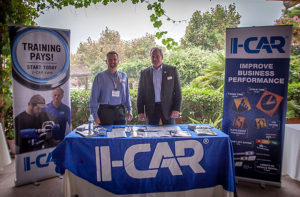 As California continues to be a leader in hybrid and alternative fuel vehicles, community colleges need to be prepared for the changes that are already happening and those that will continue to come more quickly in the future.