Public sector fleet organizations have suspended their on-site training programs during the COVID-19 pandemic, and groups offering technical certifications have canceled on-site testing and extended certification expiration dates.
As of May, states are cautiously opening up again. As public fleets try to go back to business as normal, expect more reliance on online training and testing, lower training budgets, and precautions to keep instructors and students safe. (Link to complete article.)
By: Thi Dao, GovernmentFleet.com
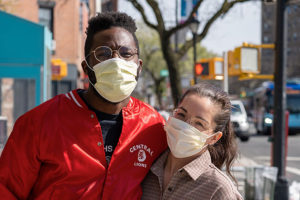 In every sector and nearly all community colleges across the state, plans are well underway to bring students safely back to campus this fall.
 The agency released a revised version of FAA-H-8083-9B, Aviation Instructor Handbook.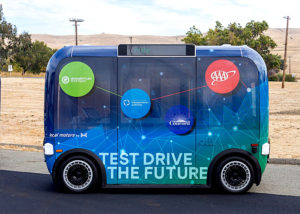
 Thanks to support from the California Energy Commission and the California Community Colleges Strong Workforce Program, Pittsburg High School in the Bay Area is one of the first — if not the first — high school in the state to train students on how to work with and repair fully-autonomous vehicles.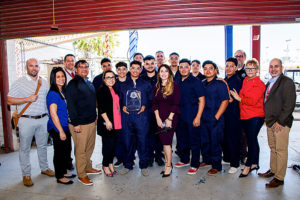
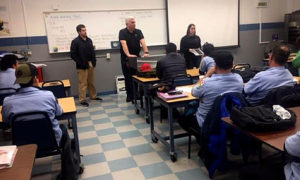 Tesla’s presence in California is growing, and the company is looking to expand its workforce, particularly in the auto collision division.
 Features like blind-spot detection and parking assist have quickly been added to the list of standard features on new vehicles over the past decade or so.
 The COVID-19 pandemic has shown the importance of logistics when it comes to delivering food, medicine, and other critical supplies.